
Royal Street
Where Wandering ia An Art
 If Bourbon Street is where New Orleans turns up the volume, Royal Street is where the French Quarter shows off its style.
Just one block away, Royal is lined with antique shops, art galleries, historic buildings, restaurants, and some of the best people-watching in the Quarter. It’s one of those streets we always tell visitors to walk slowly, because half the fun is seeing what you discover along the way. Royal is also one of the oldest streets in New Orleans, dating back to the city’s earliest days.
Definitely Eat at The Court of Two Sisters
Set at 613 Royal Street, The Court of Two Sisters is one of those places that feels like pure French Quarter. The historic restaurant is known for its lush courtyard, live jazz, and classic Creole dining, including its longtime Jazz Brunch.
The name comes from sisters Emma and Bertha Camors, who once operated a shop at the address. Today, it’s still one of Royal Street’s most memorable stops—and a great example of the history, food, and hidden courtyards that make the French Quarter so special.
Shop Like You Mean It
Royal Street has long been known for antiques, and some of the city’s best-known dealers are still here. You don’t have to be in the market for a 19th-century chandelier to enjoy browsing, either. These shops are almost museums in their own right.
Stop into Moss Antiques, where the Moss family has been in the antiques business for more than a century, or browse the extraordinary fine art, jewelry, and antiques at M.S. Rau, a Royal Street destination since 1912. Keil’s Antiques and The French Antique Shop are other longtime names worth knowing.
And Royal isn’t just antiques. You’ll find galleries, jewelry, photography, locally made pieces, and plenty of things you won’t see in a mall back home.
Listen for the Music
One of our favorite things about Royal Street is that you never quite know what you’re going to hear. Street musicians regularly set up along the way, turning a shopping trip into an impromptu concert. Some days it’s jazz. Some days it’s brass. Some days you’ll stumble across a group so good you wind up standing on the sidewalk far longer than you planned.
That’s Royal Street: even when you’re headed somewhere, there’s always a reason to stop.
Come Hungry
Royal also happens to be home to some New Orleans dining institutions. Brennan’s, at 417 Royal, has been part of the city’s dining tradition since 1946 and remains one of those restaurants every visitor should experience at least once.
You’ll find plenty of other places to grab a meal, coffee, or something sweet as you make your way down the street. And because this is the French Quarter, some of the best spots are hidden behind doors and courtyards you might otherwise walk right past.
Look Up
This may be the most important piece of advice we can give you about Royal Street: don’t spend the whole time looking in the windows.
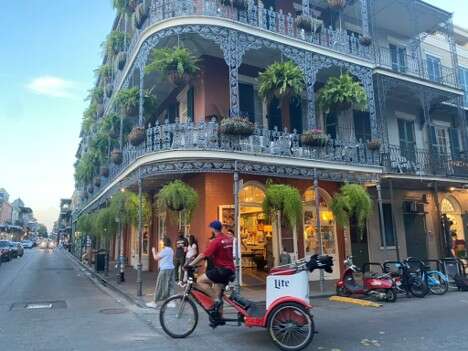
Look up at the cast-iron balconies, shutters, courtyards and Creole townhouses. Royal has some of the most beautiful architecture in the French Quarter, and much of the street feels remarkably intact despite centuries of change.
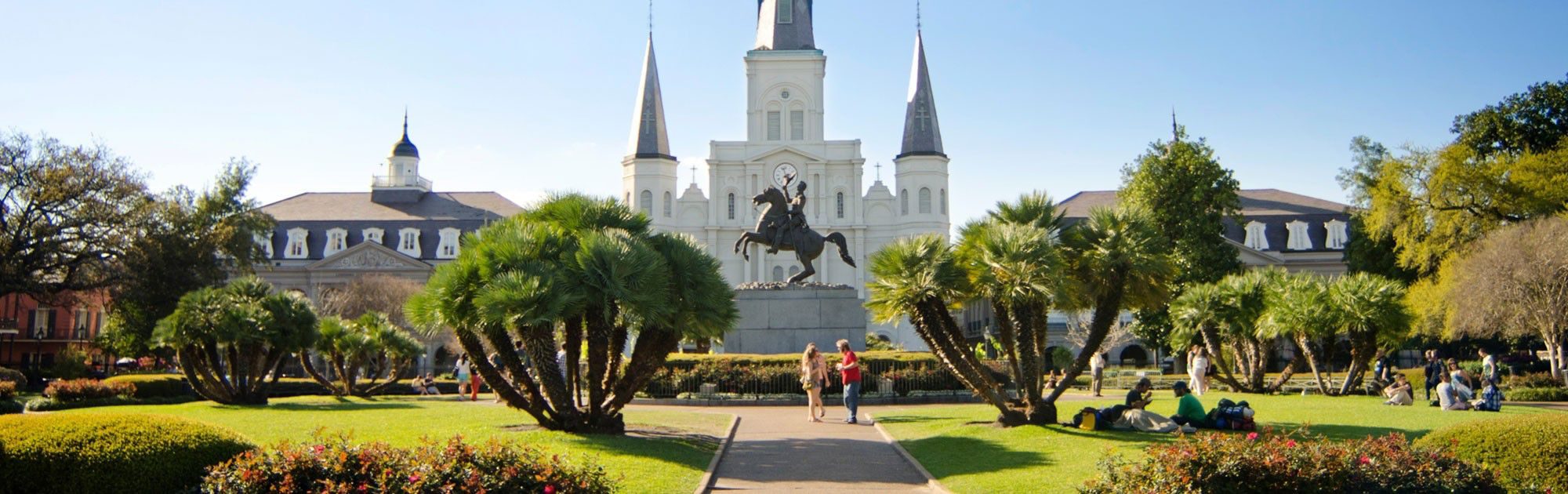
Then wander. Duck down a side street. Walk over to Jackson Square. Head back toward Bourbon if you want more action. Royal is one of the easiest places in New Orleans to explore without much of a plan.
A Little Royal Street History
Royal Street—Rue Royale under the French and Spanish—dates to the early 18th century and became an important commercial street as New Orleans grew. Today it runs from Canal Street through the French Quarter and continues into the Marigny and Bywater.
The street’s antique shops, galleries, restaurants, and hotels have changed through the years, but Royal has never lost the elegance that made it one of the Quarter’s signature streets.
Why We Love It: Royal Street is beautiful without trying too hard. You can browse something priceless, listen to a great band on the sidewalk, stop for lunch, and spend an hour wandering without ever really deciding what you’re doing next. And that’s exactly the point. It’s one of those places that reminds us why the French Quarter is about a lot more than Bourbon Street.