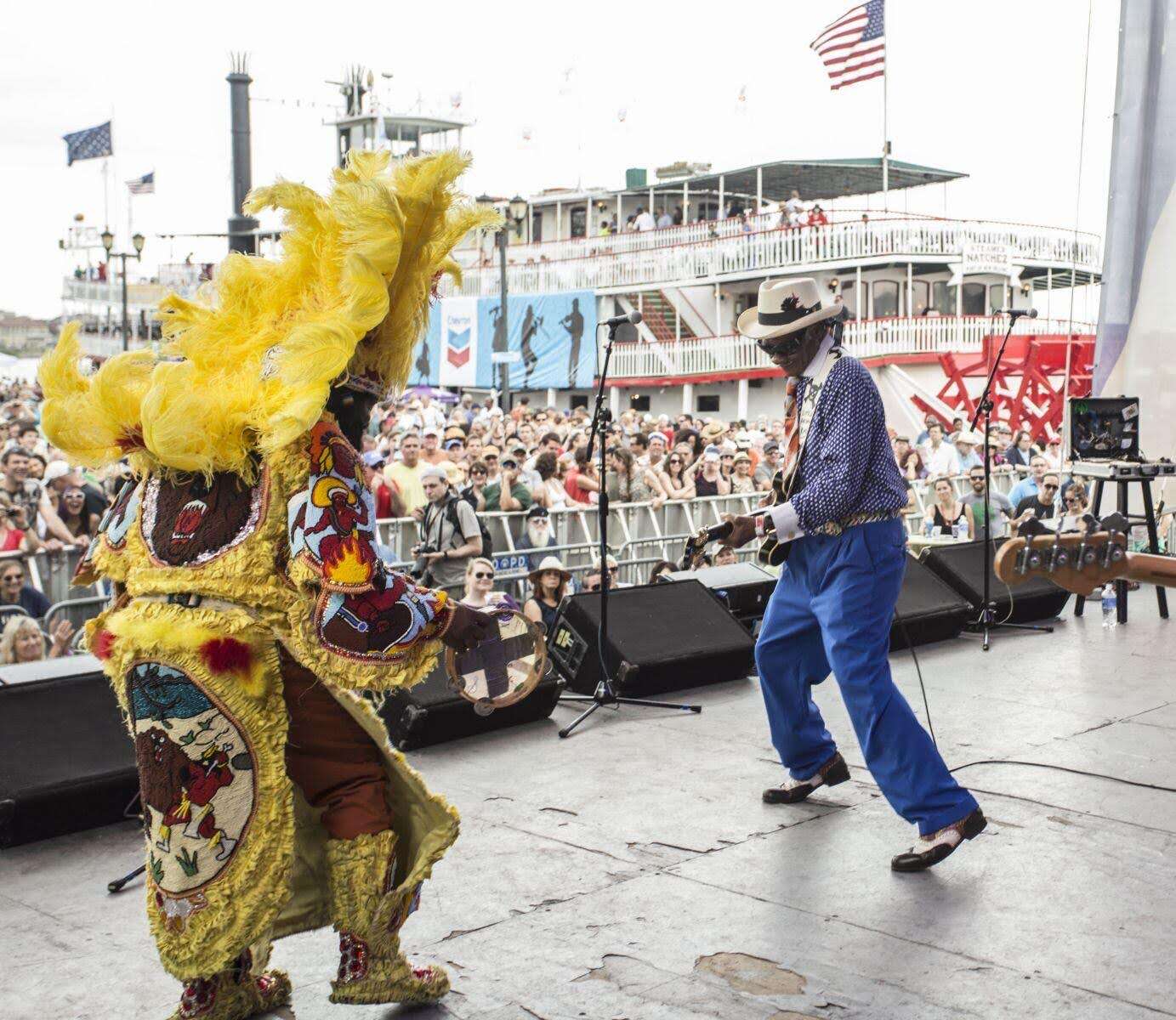
Every spring, the French Quarter turns into one giant party, where brass bands echo off balconies, food stalls perfume the air with frying seafood and spices, and locals weave through visitors like seasoned hosts. In 2026, French Quarter Festival returns April 16–19 with an even bigger footprint and more ways to dive into the culture that defines New Orleans.
The nation’s largest free celebration of Louisiana music, food and heritage is stretching farther along the Mississippi River this year, adding new green space at Goldring Woldenberg Riverfront Park near Governor Nicholls Wharf. The expansion opens the door to additional stages, easier access and more room to linger between sets with a breeze off the water.
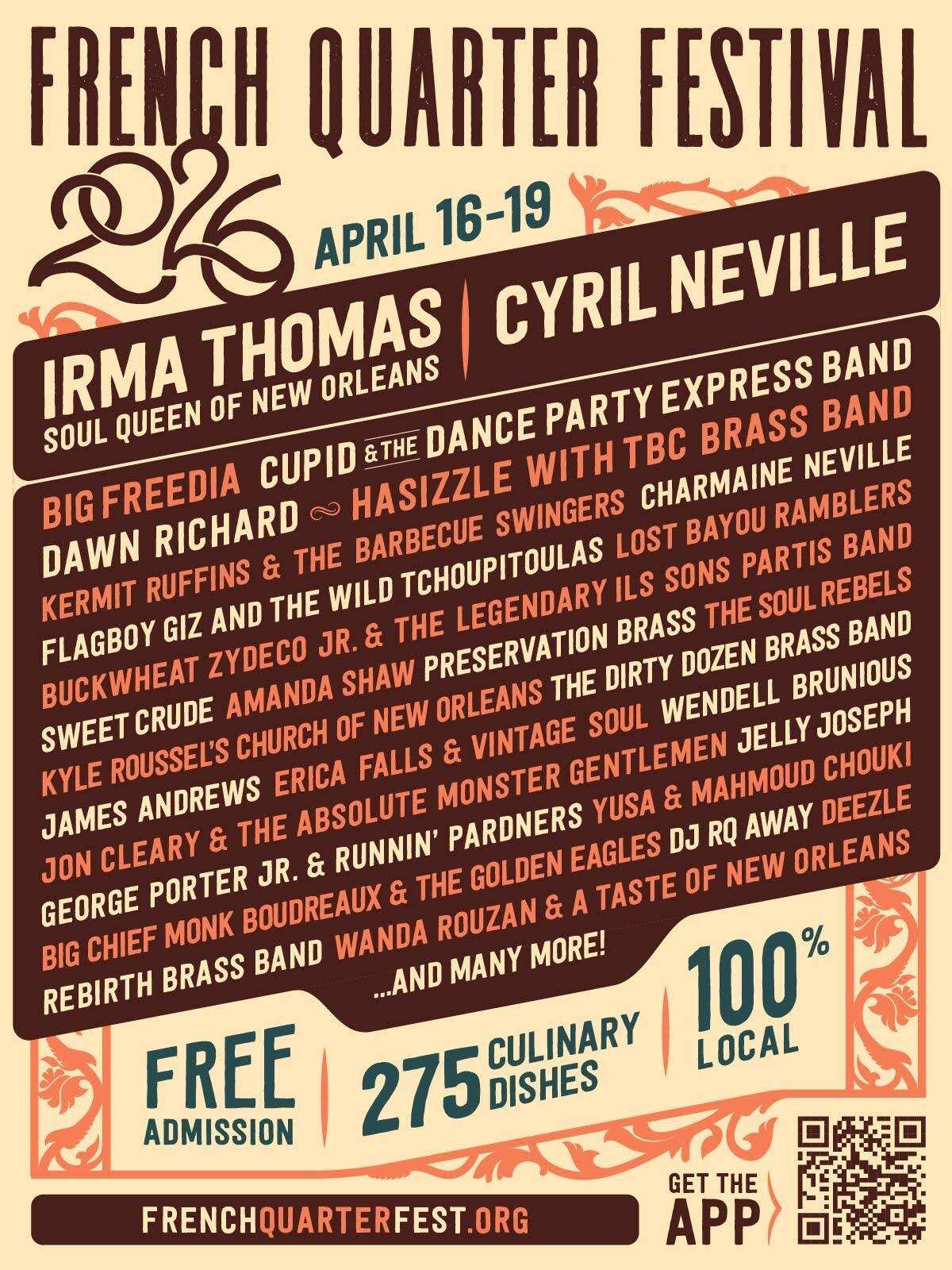
Music remains the heartbeat. More than 300 acts will fill the Quarter and riverfront with four full days of performances, including an expanded Thursday lineup. Stages are shifting and multiplying: the Pan-American Life Insurance Group Stage settles back at Esplanade, the Louisiana Fish Fry Stage moves riverside with an extra dose of DJs and brass bands, and the House of Blues Voodoo Garden Stage keeps the party going with late-night programming. Festival favorite Irma Thomas returns alongside artists like Cyril Neville and Sally Baby’s Silver Dollars, with debuts from Dawn Richard, Bobby Rush and a wide mix of funk, zydeco, rock and soul performers that reflect the depth of Louisiana’s sound.
There’s more than music on the schedule. A new 5K race on Saturday morning invites runners to wind through the Quarter before the day’s first notes, blending fitness with festivity.
Food, as always, is reason enough to show up hungry. More than 275 dishes from beloved eateries like Tujague’s, New Orleans School of Cooking and Landry’s Seafood House will be available and there will be live cooking demos at the culinary stage spotlighting local chefs and traditions.
Like every year, admission is free, with optional VIP passes available for those who want shaded lounges and premium viewing spots. But the spirit stays the same: four days when the French Quarter feels less like a tourist stop and more like the city’s living room — open to anyone who wants to pull up a chair and listen.